
Global Financial Support
What Happens to the Economy During a World War? Key Personal Finance Topics to Understand
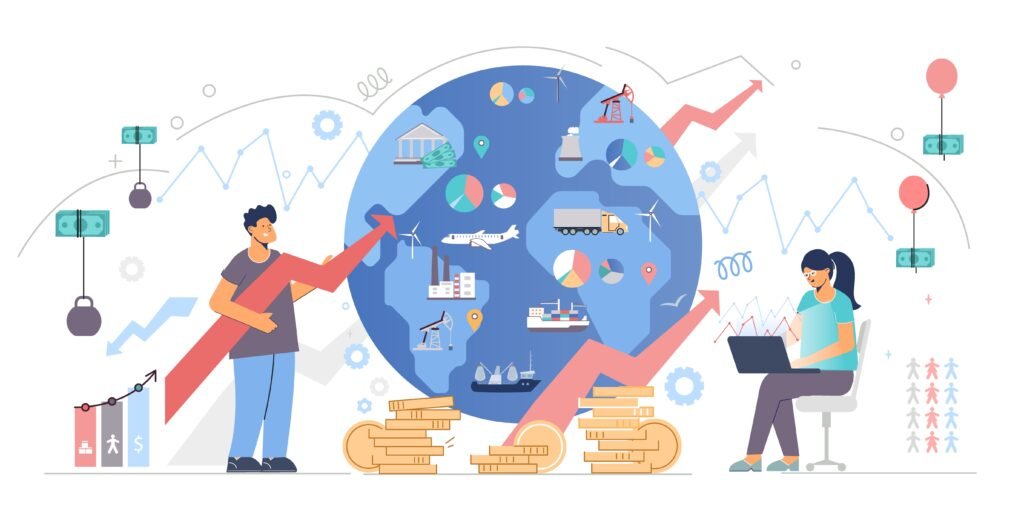
A world war can create major economic changes that affect governments, businesses, financial markets, and everyday households. Understanding personal finance topics becomes especially important during periods of global uncertainty because economic conditions can influence savings, investments, income stability, and purchasing power.
While every conflict is different, history shows that wars often lead to changes in government spending, supply chains, inflation rates, and employment patterns. Knowing how these factors work can help individuals make more informed decisions and build stronger financial habits.
How War Impacts the Global Economy
When a major conflict begins, governments usually increase spending on defense, infrastructure, and emergency measures. This sudden rise in government expenditure can affect national budgets, interest rates, and economic priorities.
Industries connected to defense, technology, manufacturing, and logistics may experience increased demand. At the same time, other sectors that depend on international trade can face difficulties due to supply chain disruptions, restrictions, or changing consumer behavior.
Some common economic effects during wartime include:
- Increased government spending and national debt
- Changes in energy and commodity prices
- Disruptions in global trade
- Higher production costs for businesses
- Market uncertainty and increased volatility
These effects do not always impact every country or individual in the same way. Some economies may grow because of increased industrial activity, while others may experience slower growth due to resource shortages and financial pressure.
Key Personal Finance Topics to Consider During Economic Uncertainty
One of the most important personal finance topics during uncertain periods is understanding how to manage money when conditions change quickly.
People often focus only on investments during economic crises, but financial stability depends on several areas, including budgeting, emergency planning, debt management, and income protection.
Important areas to review include:
Building an Emergency Fund
An emergency fund acts as a financial safety net when unexpected situations occur. During periods of economic instability, job losses, reduced business activity, or rising expenses can create pressure on household finances.
A strong emergency fund can help cover essential costs such as:
- Housing payments
- Food expenses
- Medical needs
- Utility bills
- Unexpected repairs
Financial experts often recommend maintaining savings that can cover several months of necessary expenses, depending on personal circumstances.
Managing Inflation and Rising Costs
Wars can influence inflation because they may affect fuel prices, transportation costs, raw materials, and food supplies. When prices rise, the value of money decreases, meaning consumers need more income to purchase the same goods and services.
A practical approach is to review monthly expenses regularly and identify areas where spending can be adjusted without affecting essential needs.
Smart budgeting, comparing prices, reducing unnecessary expenses, and maintaining diversified income sources can help households handle rising costs.
How Global Events Influence Personal Finance Topics and Investment Decisions
Major global events can create uncertainty in financial markets. Stock markets may experience sudden changes as investors react to economic news, political developments, and future expectations.
Investors should avoid making emotional decisions based only on short-term market movements. Historically, markets have experienced downturns during crises but have also recovered over longer periods.
A balanced approach may include:
- Maintaining a diversified investment portfolio
- Understanding personal risk tolerance
- Avoiding panic-based decisions
- Reviewing long-term financial goals
The right financial strategy depends on individual circumstances, including age, income, responsibilities, and investment objectives.
The Role of Businesses During Wartime Economies
Businesses also experience significant changes during conflicts. Companies may face challenges related to supply chains, employee availability, increased operating costs, and changing customer demand.
Some businesses adapt by finding alternative suppliers, changing production methods, or entering new markets. Others may struggle due to economic restrictions or reduced consumer spending.
For individuals, understanding business trends can provide insight into employment opportunities and industry stability. Careers connected to essential services, technology, healthcare, manufacturing, and logistics may respond differently compared with industries dependent on discretionary spending.
Preparing Your Finances for Unexpected Economic Changes
Financial preparation does not mean expecting the worst. It means creating flexibility so that unexpected situations are easier to manage.
A strong financial foundation usually includes:
- Maintaining manageable debt levels
- Creating savings habits
- Reviewing insurance coverage
- Developing professional skills
- Exploring additional income opportunities
Another important part of personal-finance planning is staying informed. Economic news, interest rate changes, inflation reports, and market trends can provide valuable information when making financial decisions.
Why Financial Awareness Matters During Global Crises
Economic uncertainty can create fear and confusion, but knowledge allows individuals to respond more calmly. Rather than making rushed decisions, people can evaluate their financial situation and choose strategies that match their goals.
Understanding how economies function during major events helps individuals recognize risks while also identifying opportunities. Financial planning is not about predicting every future event; it is about being prepared for different possibilities.
Conclusion
A world war can significantly affect economies through changes in government spending, trade, inflation, and financial markets. While individuals cannot control global events, they can control how prepared they are for financial challenges.
Reviewing personal finance topics such as savings, investments, budgeting, and income planning can help create greater confidence during uncertain times. By developing strong financial habits and staying informed, people can better protect their financial future regardless of changing economic conditions.