
Global Financial Support
Iran War and the Global Economy: How Bad Is the Damage?
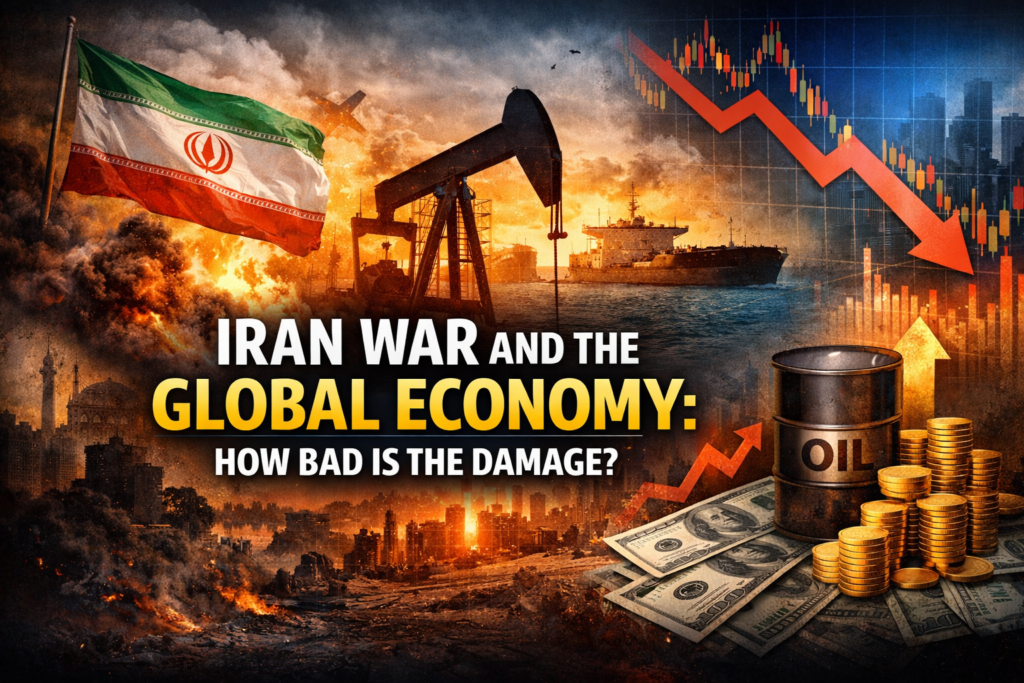
The rising tensions involving Iran are no longer just a regional geopolitical issue. They are increasingly becoming a global economic concern, affecting energy markets, inflation, trade, and financial stability worldwide.
As uncertainty grows, businesses, investors, and governments are asking one key question: how significant is the economic impact, and what could happen next?
Why the Iran Situation Matters Globally
Iran holds a strategic position in global energy and trade networks, particularly near the Strait of Hormuz one of the world’s most critical oil transit routes.
Any disruption in this region can quickly impact global markets. Even the possibility of escalation can create uncertainty, leading to volatility across financial systems.
Rising Oil Prices and Energy Concerns
One of the most immediate effects of the conflict is pressure on oil prices. Supply concerns often drive prices higher, which can affect multiple industries, including:
- Transportation and logistics
- Manufacturing
- Aviation
- Agriculture
Higher energy costs tend to increase overall expenses, which are often passed on to consumers.
Inflation Pressures Increasing
As fuel and energy costs rise, inflation can follow. Increased production and transportation costs may lead to higher prices for goods and services.
This situation can create challenges for central banks, which may need to adjust interest rates to manage inflation while maintaining economic growth.
Market Volatility and Investor Behavior
Global financial markets often react quickly to geopolitical uncertainty. During such periods, investors may shift toward safer assets like:
- Gold
- Government bonds
- Stable currencies
This can lead to fluctuations in stock markets, especially in sectors dependent on global stability.
Supply Chain Challenges
The situation may also affect global supply chains. Changes in shipping routes or delays in transportation can result in:
- Increased delivery times
- Higher logistics costs
- Potential product shortages
Businesses relying on efficient supply chains may face additional pressure.
Impact on Developing Economies
Developing countries may be more vulnerable due to reliance on imported energy and limited financial flexibility. Possible effects include:
- Rising inflation
- Currency pressure
- Increased government spending
These factors can create additional economic challenges in such regions.
Effects on Travel and Tourism
The travel and aviation sectors may also feel the impact. Rising fuel costs and uncertainty can lead to:
- Higher airfares
- Reduced travel demand
- Lower tourism activity
This can affect economies that depend heavily on tourism.
Potential Short-Term Benefits
Some sectors, particularly energy producers, may see short-term gains due to higher oil prices. However, these benefits are often temporary and uneven.
Long-Term Economic Outlook
The long-term impact will depend on how the situation develops. If tensions ease, markets may stabilize. However, prolonged uncertainty could lead to:
- Sustained inflation
- Slower economic growth
- Reduced investment
What Businesses and Investors Should Consider
In uncertain times, flexibility and planning are essential. Key considerations include:
- Managing risks
- Monitoring market trends
- Diversifying investments
Businesses that adapt quickly are more likely to remain stable.
Final Thoughts
The Iran-related tensions highlight how interconnected the global economy has become. Even regional developments can have far-reaching economic effects.
While the full impact is still unfolding, staying informed and prepared will be crucial in navigating the challenges ahead.