

Global Financial Support
Can ETFs Help You Build a Stress-Free Retirement?
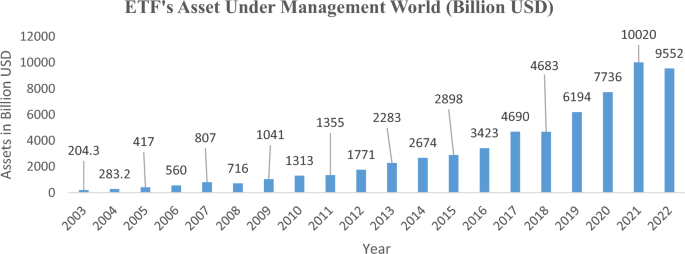
Planning for retirement can feel overwhelming. With market volatility, inflation concerns, and rising life expectancy, many investors are looking for simple, cost-effective strategies to grow their wealth. Exchange-Traded Funds (ETFs) have become a popular option for retirement planning because of their flexibility, diversification, and lower fees.
But can ETFs really help create a worry-free retirement?
What Are ETFs?
ETFs are investment funds that trade on stock exchanges, similar to individual stocks. Most ETFs track a specific index, sector, or asset class. This means they allow investors to gain exposure to a broad group of investments through a single purchase.
For example, some ETFs track large-cap U.S. stocks, while others focus on bonds, international markets, or dividend-paying companies.
Why ETFs Are Popular for Retirement
1. Diversification
One of the biggest advantages of ETFs is diversification. Instead of investing in a single company, you can own a basket of stocks or bonds. Diversification helps reduce risk in a retirement portfolio.
2. Lower Costs
ETFs typically have lower expense ratios compared to actively managed mutual funds. Lower fees mean more of your money stays invested and compounds over time.
3. Flexibility
ETFs can be bought and sold during market hours, offering liquidity and flexibility. Investors can also build customized portfolios using different types of ETFs.
Income Generation in Retirement
Some ETFs focus on dividend-paying stocks or bonds, which can provide steady income during retirement. Income-oriented ETFs may help retirees generate cash flow while maintaining diversification.
Risks to Consider
While ETFs offer many advantages, they are not risk-free. Market downturns can affect ETF values, especially those tied to equities. Interest rate changes can also impact bond ETFs.
A balanced retirement strategy often combines:
• Stock ETFs for growth
• Bond ETFs for stability
• Dividend ETFs for income
Asset allocation plays a critical role in managing risk.
Are ETFs Right for You?
ETFs can be a powerful tool for retirement planning, but the right strategy depends on your age, financial goals, and risk tolerance. Younger investors may focus on growth-oriented ETFs, while retirees may prioritize income and capital preservation.
Long-term discipline, diversification, and consistent investing often matter more than short-term market movements.
Final Thoughts
ETFs offer a simple, diversified, and cost-effective approach to retirement investing. While no strategy guarantees a completely worry-free retirement, ETFs can help investors build structured portfolios designed for long-term stability and growth.
Careful planning, regular portfolio reviews, and staying informed about market conditions can significantly improve retirement outcomes.