

Global Financial Support
Interest Rates, Inflation, and Bonds: How Prices and Yields React
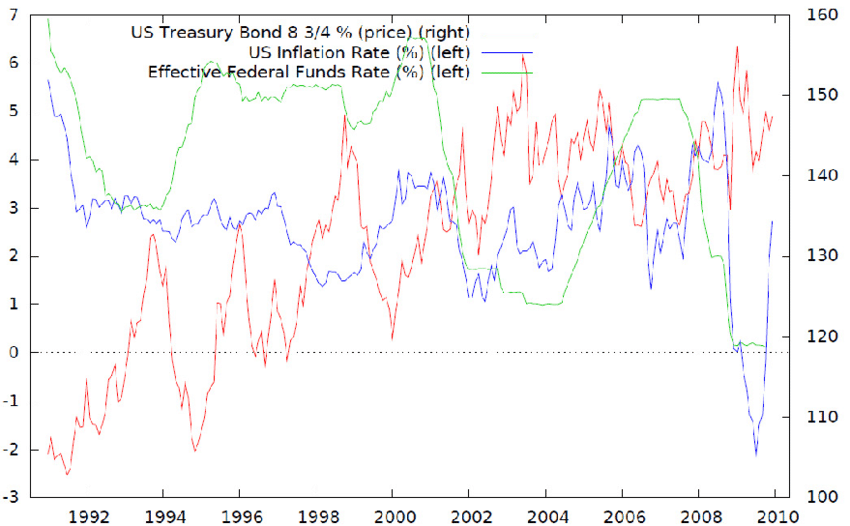
Bonds are often considered stable investments, but their prices and yields are highly sensitive to changes in interest rates and inflation. Understanding this relationship is essential for investors looking to manage risk and build a balanced portfolio.
The Basic Relationship: Rates vs. Bond Prices
Bond prices and interest rates move in opposite directions.
When interest rates rise, existing bond prices fall.
When interest rates fall, existing bond prices rise.
Why? Because newly issued bonds reflect current interest rates. If rates increase, new bonds offer higher returns, making older bonds with lower rates less attractive. To compete, the price of older bonds drops.
What Is Bond Yield?
Bond yield represents the return an investor earns on a bond. When bond prices fall, yields increase. When bond prices rise, yields decrease.
For example:
If you buy a bond at a lower price than its face value, your effective yield increases. This inverse relationship is a fundamental principle of bond investing.
How Inflation Impacts Bonds
Inflation reduces purchasing power. If inflation rises, the fixed payments from bonds become less valuable in real terms.
Higher inflation expectations often lead to:
• Rising interest rates
• Falling bond prices
• Increasing yields
Investors demand higher yields to compensate for inflation risk.
The Role of Central Banks
Central banks adjust interest rates to control inflation and economic growth. When inflation rises too quickly, central banks may raise rates. This action can pressure bond markets.
Conversely, during economic slowdowns, central banks may cut rates, which can support bond prices.
Short-Term vs. Long-Term Bonds
Long-term bonds are generally more sensitive to interest rate changes than short-term bonds. The longer the maturity, the greater the price fluctuation when rates shift.
This is why investors often adjust bond duration based on economic outlook.
What Investors Should Consider
When investing in bonds, consider:
• Current interest rate trends
• Inflation outlook
• Bond duration
• Credit risk
• Portfolio diversification
Bonds can provide income and stability, but they require strategic positioning depending on economic conditions.
Final Thoughts
Interest rates and inflation play a crucial role in shaping bond market performance. Understanding how bond prices and yields react helps investors make informed decisions and manage risk effectively.
A well-balanced investment strategy often includes bonds alongside other asset classes to navigate changing economic environments.